The digital landscapes we explore, the narratives we inhabit, and the characters we befriend are born from the passion and dedication of countless developers. Yet, behind the glittering spectacle of new releases, the video game industry has been wrestling with a period of intense upheaval, a storm that shows few signs of abating. From the summer of 2023 onward, a wave of studio closures, game cancellations, and devastating layoffs has swept across both the celebrated AAA sector and the innovative indie scene, leaving a trail of uncertainty and dashed dreams. Thousands of talented individuals have found themselves without work, and numerous promising projects have vanished before they ever had a chance to shine.
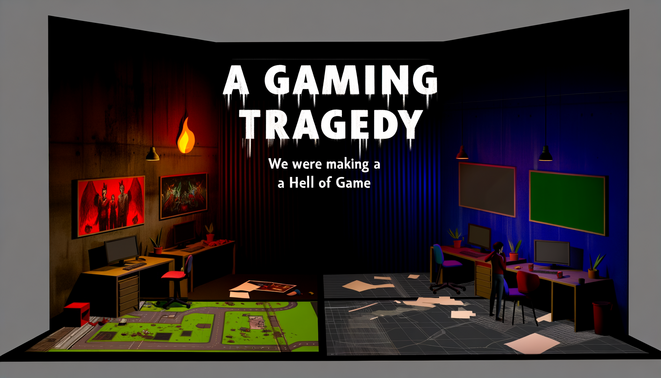
One of the more recent and particularly poignant casualties of this ongoing corporate restructuring trend is Dark Outlaw Games. Formed in 2025 as a first-party studio under the expansive umbrella of Sony, Dark Outlaw Games represented a beacon of new creative energy within the PlayStation ecosystem. However, its journey was cut tragically short. According to comments made by none other than Jason Blundell, the former lead for the highly popular Call of Duty Zombies mode and the driving force behind Dark Outlaw Games, Sony’s decision to shutter his studio was profoundly disappointing. The reason? His team, he revealed, was working on “a hell of a game.”
The Brief Spark of Dark Outlaw Games: A Vision Extinguished
The establishment of Dark Outlaw Games in 2025 likely brought with it a surge of anticipation. Under Sony’s wing, and with a veteran like Jason Blundell at the helm, the studio had all the hallmarks of a promising venture. Blundell’s reputation precedes him; his intricate and often terrifying narratives within Call of Duty Zombies captivated millions, showcasing a unique blend of storytelling, gameplay mechanics, and atmospheric design. His move to lead a new first-party studio for Sony suggested an exciting new chapter, not just for him, but for players eager to see what fresh experiences he and his team would forge outside of the Call of Duty universe.
The formation of such a studio is a significant investment, a statement of intent from a platform holder like Sony. It signifies belief in a team’s vision and talent, a commitment to developing exclusive, high-quality content for its console ecosystem. To see such a venture dissolved so quickly, barely after its inception, speaks volumes about the volatile nature of today’s industry. It’s a stark reminder that even with considerable backing and proven talent, success is never guaranteed, and the path to launch is fraught with peril. The closure means not only the loss of a studio but the scattering of a dedicated team and the evaporation of a creative vision that was, by its founder’s own admission, on the cusp of something truly special.
“A Hell of a Game”: The Unseen Potential and Lingering Questions
Jason Blundell’s concise yet powerful declaration – “we were making a hell of a game” – carries immense weight. It’s a testament to the team’s belief in their project, a bittersweet lament for what could have been. For developers, pouring countless hours, creative energy, and personal sacrifice into a game only to see it canceled before release is a heartbreaking experience. It’s not just a job; it’s a craft, an art form, and a shared dream. Blundell’s statement hints at a game that was not just good, but exceptional, a title with the potential to leave a significant mark on the industry.
What was this “hell of a game”? We may never know its genre, its mechanics, or its story. Was it a bold new IP, pushing boundaries in narrative or gameplay? Was it a spiritual successor to the intricate lore Blundell crafted in Zombies, reimagined for a new generation? The mystery only deepens the sense of loss. It represents a missed opportunity for players to experience a potentially groundbreaking title and for the industry to witness new creative heights. This isn’t merely a business decision; it’s a creative tragedy, where artistic ambition clashes with economic realities, and the tangible results of countless hours of work vanish into thin air. It underscores the fragility of creative endeavors in an increasingly demanding market.
The Unrelenting Storm: Broader Industry Context Since 2023
The story of Dark Outlaw Games is not an isolated incident but rather a symptom of a much larger, systemic shift within the video game industry that has accelerated dramatically since the summer of 2023. The issues impacting gaming are multifaceted and interconnected. Post-pandemic, a surge in demand and investment led to rapid expansion across many studios. However, this growth proved unsustainable for many, leading to a period of “recalibration.” Economic downturns, including rising inflation and interest rates, have put pressure on consumer spending and corporate budgets.
Simultaneously, the cost of developing AAA games has skyrocketed, often reaching hundreds of millions of dollars. This exponential increase in development cycles and expenses means that the stakes are higher than ever, and only blockbuster successes can justify such massive investments. The market has also become increasingly saturated, making it harder for new IPs, or even established ones, to break through the noise. Coupled with shifting consumer habits, where players are increasingly discerning and have a wealth of options, even strong games struggle to find their footing. This has created an environment where corporate restructurings, often involving consolidations, downsizing, and outright closures, become unfortunately common. Both large publishers and small indie teams feel the squeeze, highlighting a pervasive instability that impacts everyone from seasoned veterans to aspiring newcomers.
The Human Cost and Creative Impact
Beyond the balance sheets and corporate announcements, these closures and layoffs represent a profound human cost. Thousands of talented developers, from programmers and artists to writers and designers, have been directly impacted, facing job insecurity, financial strain, and the emotional toll of seeing their projects and teams disbanded. The loss of a job is devastating enough, but for many in the game development community, it’s also the loss of a passion, a creative outlet, and often, a tight-knit community.
This instability also has a chilling effect on innovation. When studios are under constant pressure to deliver immediate, massive hits, and the risk of closure looms large, there’s less incentive to take creative chances. Developers might lean towards safer, proven formulas rather than exploring new mechanics or storytelling approaches. This can lead to a homogenization of games, where unique voices and experimental concepts are stifled, and the industry risks becoming less diverse and less imaginative. The exodus of experienced talent due to layoffs can also create knowledge gaps, making it harder for surviving studios to thrive and further exacerbating the industry’s woes.
What Does This Mean for Players?
While developers bear the brunt of these closures, players are also significantly affected. The most immediate impact is the loss of potentially great games. Dark Outlaw Games’ “hell of a game” is just one example of countless projects that will never see the light of day. This means fewer choices, fewer innovative experiences, and a smaller pool of games to explore.
Furthermore, the continuous cycle of layoffs and studio closures can erode trust. Players invest emotionally and financially in games and the studios that make them. When a beloved studio closes or a highly anticipated game is canceled, it can lead to disillusionment and a sense of betrayal. This can make players more hesitant to commit to new IPs or pre-order games, further complicating the financial landscape for developers. Ultimately, an unstable industry leads to a less vibrant, less exciting future for everyone who loves video games.
Navigating the Future: A Call for Resilience and Adaptation
The challenges facing the video game industry are complex and deeply entrenched. There are no easy answers, but resilience, adaptation, and a renewed focus on sustainable development practices will be crucial. Companies, developers, and even players have a role to play in shaping a more stable and creatively vibrant future.
The story of Dark Outlaw Games, though short-lived and tragic, serves as a powerful reminder of the passion and talent that exists within the industry, even in the face of adversity. Jason Blundell’s words echo the sentiment of many developers: they truly are making “a hell of a game,” only for external forces to cut their visions short. It is a stark call to recognize the immense value of game creators and to strive for an environment where their innovative spirits can flourish, rather than be extinguished prematurely. Only through collective effort and a deeper understanding of these underlying issues can the industry hope to weather the storm and emerge stronger, ensuring that “a hell of a game” doesn’t remain an unseen dream, but a cherished reality.


