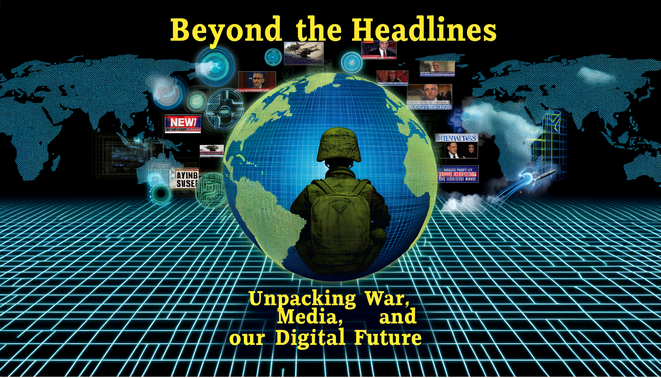
In an era inundated with information, headlines serve as our daily compass, guiding our understanding of the world. Yet, their brevity often belies the profound complexities they encapsulate. Two such headlines, seemingly disparate yet deeply interconnected, recently captured public attention: ‘US Marines Head to War’ and ‘We’ll Stop Antisocial Media.’ While one evokes images of international conflict and geopolitical shifts, the other points to an internal struggle within our digital society. Both, however, demand our careful consideration, urging us to look beyond the surface and understand the underlying forces at play. This blog post aims to unpack these two powerful statements, exploring their individual implications and, more importantly, revealing the subtle yet significant ways they intersect, shaping our present and defining our future. For beginners and intermediate readers alike, navigating the intricacies of global events and our digital lives can be daunting, but by dissecting these headlines, we can begin to build a clearer, more informed perspective.
‘US Marines Head to War’ – Understanding Global Conflict and Its Echoes
The declaration ‘US Marines Head to War’ is not merely a news item; it’s a pronouncement carrying immense weight, signalling a seismic shift in international relations with far-reaching consequences. For many, it immediately conjures images of soldiers, battlefields, and geopolitical manoeuvring. But its true significance extends far beyond the immediate theatre of conflict.
Firstly, such a headline underscores the volatile nature of global politics. It reflects a culmination of diplomatic failures, escalating tensions, and strategic decisions made at the highest levels. Understanding this requires a basic grasp of international relations – the interplay between nations, their interests, alliances, and historical grievances. When marines are deployed, it often indicates a critical juncture, a moment where military intervention is deemed necessary, whether for national security, humanitarian reasons, or in response to perceived threats.
Secondly, the human element cannot be overstated. Behind the strategic objectives and political rhetoric are real lives – the brave men and women deployed, their families facing separation and uncertainty, and the populations in the affected regions grappling with the immediate and long-term consequences of conflict. War inevitably brings displacement, loss of life, infrastructure destruction, and profound psychological scars that can persist for generations.
Thirdly, the media’s role in reporting such events is crucial, yet complex. News outlets become the primary lens through which the public perceives the conflict. The framing of the narrative, the emphasis on certain aspects, and even the language used can significantly influence public opinion, shape policy debates, and even impact troop morale. It’s vital for readers to critically assess news sources, recognizing potential biases and seeking diverse perspectives to form a comprehensive understanding.
For beginners, this headline serves as a gateway to understanding concepts like sovereignty, international law, diplomacy, and humanitarian aid. For intermediate readers, it prompts deeper questions about the effectiveness of military solutions, the ethics of intervention, and the long-term stability of post-conflict regions. Regardless of one’s background, ‘US Marines Head to War’ is a stark reminder of the fragile balance of peace and the profound responsibilities that come with global power.
‘We’ll Stop Antisocial Media’ – The Battle for a Healthier Digital Space
Shifting gears dramatically, the headline ‘We’ll Stop Antisocial Media’ speaks to a different kind of conflict – one waged not on battlefields, but within the digital realms we inhabit daily. This declaration, often voiced by policymakers, tech leaders, or concerned advocacy groups, reflects a growing global consensus that while social media has revolutionized communication and connectivity, it has also unleashed a Pandora’s Box of societal challenges.
The term ‘antisocial media’ itself is telling, moving beyond the initial utopian vision of interconnectedness to highlight the darker aspects: the spread of misinformation and disinformation, which can undermine democratic processes and public trust; the proliferation of hate speech and online harassment, leading to real-world harm and mental health crises; the erosion of privacy as personal data becomes a commodity; and the insidious rise of echo chambers and filter bubbles that solidify divisions and hinder open dialogue.
Efforts to ‘stop antisocial media’ manifest in various forms. Governments worldwide are grappling with regulatory frameworks, attempting to hold platforms accountable for the content shared on their sites. This includes debates over content moderation, legal liability for harmful posts, and data protection laws like GDPR. Tech companies, under increasing public and political pressure, are also investing in AI-driven content moderation, fact-checking initiatives, and user safety features, though their effectiveness remains a subject of ongoing debate.
For the everyday user, this headline resonates deeply. We are all, to varying degrees, participants in this digital ecosystem. Understanding the mechanisms of ‘antisocial media’ involves recognizing how algorithms work, how echo chambers are formed, and the psychological impact of constant digital engagement. It encourages us to cultivate digital literacy – the ability to critically evaluate online information, protect our privacy, and engage respectfully.
For beginners, it’s an introduction to concepts like digital citizenship, online safety, and the power of algorithms. For intermediate readers, it sparks discussions about freedom of speech versus harmful content, the ethics of AI in content moderation, and the future of platform governance. Ultimately, ‘We’ll Stop Antisocial Media’ is a call to action, urging a collective re-evaluation of our relationship with technology and a push towards a more responsible, empathetic, and ultimately, more social digital future.
The Intersections – Where Global Conflicts Meet Digital Realities
While ‘US Marines Head to War’ and ‘We’ll Stop Antisocial Media’ appear to occupy separate universes – one physical, the other virtual – a closer examination reveals profound and often unsettling interconnections. These two headlines are not isolated phenomena; rather, they are symptomatic of a larger, more complex global landscape where information, perception, and conflict are deeply intertwined.
Firstly, social media platforms have fundamentally altered the landscape of modern warfare and geopolitical crises. No longer are news cycles solely dictated by traditional media. Real-time updates, citizen journalism, and propaganda campaigns now proliferate across social networks. During conflicts, social media becomes a battleground for narratives, where both official sources and nefarious actors attempt to sway public opinion, disseminate misinformation, or even incite violence. The images and videos shared can galvanize support, fuel outrage, or even directly impact the morale of troops and civilians. Thus, the very ‘antisocial’ aspects of media – the rapid spread of unverified information, the echo chambers – can directly influence the perception and even the conduct of real-world conflicts.
Secondly, the global conversation surrounding ‘antisocial media’ often includes calls for international cooperation, mirroring the need for collaboration in addressing geopolitical tensions. Issues like cyber warfare, the spread of state-sponsored disinformation, and the protection of digital infrastructure are now central to national security debates. The fight against ‘antisocial media’ is not just a domestic policy challenge; it has significant international dimensions, affecting alliances, diplomatic relations, and global stability.
Thirdly, both headlines underscore the critical importance of media literacy and critical thinking. In a world where information – whether about military deployments or online controversies – can be manipulated or sensationalized, the ability to discern truth from falsehood, to question sources, and to seek diverse perspectives is paramount. For the informed citizen, understanding how media shapes narratives around war is as crucial as understanding how social media algorithms influence our daily information diet. Both require a discerning eye and a commitment to independent thought.
These intersections highlight that our digital future is inextricably linked to our global future. The challenges of misinformation online can exacerbate real-world conflicts, and the lessons learned from addressing global tensions can inform our approach to digital governance. Understanding these connections is key to being an informed and responsible participant in both our physical and virtual worlds.
Conclusion
From the grave implications of military deployment to the pervasive influence of our digital interactions, the headlines ‘US Marines Head to War’ and ‘We’ll Stop Antisocial Media’ serve as potent reminders of the multifaceted challenges defining our modern era. They compel us to look beyond simplistic interpretations and engage with the deeper currents shaping our societies.
As individuals, our role extends beyond passive consumption. We must cultivate a keen sense of media literacy, critically evaluating the information we encounter, whether it’s a report from a war zone or a trending post on a social platform. We must champion responsible digital citizenship, advocating for healthier online environments while actively participating in them with empathy and integrity.
The battles, both physical and digital, may seem immense, but through informed understanding, critical engagement, and a commitment to truth, we can navigate these complexities more effectively. By bridging the gap between global events and our daily digital lives, we empower ourselves to not just witness history, but to actively contribute to a more just, peaceful, and digitally responsible future. Let these headlines be not just news, but calls to deeper understanding and proactive citizenship.


